Uttaranchal (P.G.) College of Bio-Medical Sciences & Hospital, Dehradun

Author name: UCBMS&H

Health benefits of Burans: Rhododendron arboreum

Health benefits of Burans: Rhododendron arboreum

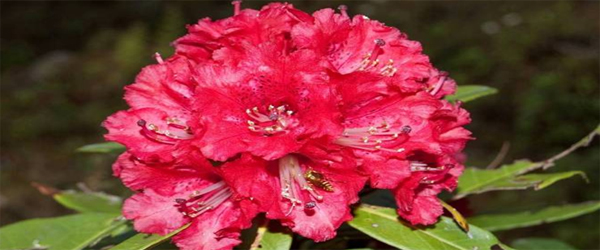
Health benefits of Burans: Rhododendron arboreum Himalaya is abode to various plants with medicinal use. Rhododendron arboreum tree from the valley of Himalayas known for its bright scarlet red bell shaped flowers filled with sweet nectar, is one such tree with medicinal uses. Flowers and leaves of this tree have been long for medicinal purposes.

Health benefits of Burans: Rhododendron arboreum Read More »

Benefits Of Curry Leaves

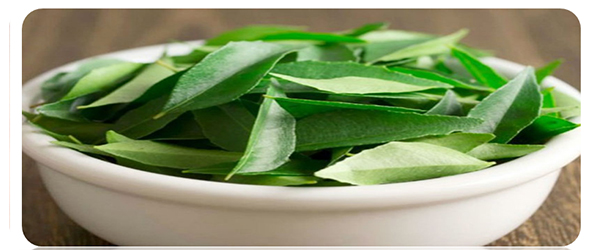
Benefits Of Curry Leaves Curry leaves are natural flavouring agents with a number of important health benefits, which makes our food both healthy and tasty along with pleasing aroma. They contain various antioxidant properties and have the ability to control diarrhoea, gastrointestinal problems such as indigestion, excessive acid secretion, peptic ulcers, dysentery, diabetes and an

Benefits Of Curry Leaves Read More »

High Temperature Stress in Plants

High Temperature Stress in Plants

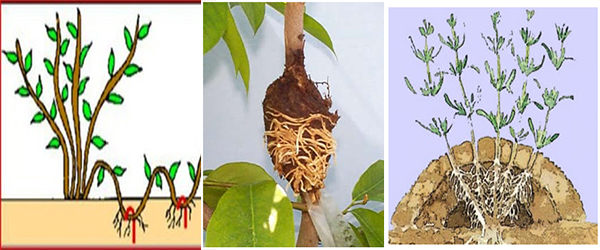
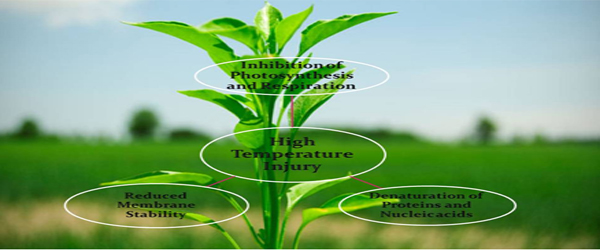
High Temperature Stress in Plants In both natural and Agricultural conditions, plants are frequently exposed to environmental stresses. High temperature is an important environmental stress factor in plants productivity that typically accompanies drought conditions. Higher plants are able to maintain their cell and tissues at a constant optimum temperature. Their growth and metabolism are therefore

High Temperature Stress in Plants Read More »

Proteolytic Enzyme Act As A Regulator And Modulator

Proteolytic Enzyme Act As A Regulator And Modulator

Proteolytic Enzyme Act As A Regulator And Modulator Proteolytic enzymes digest protein by aiding in the digestion process, breaking it down into amino acids. They can be taken as a supplement, but better yet, they can be found naturally in certain foods. A great example is papaya, which contains the proteolytic enzyme papain, a popular

Proteolytic Enzyme Act As A Regulator And Modulator Read More »

Mechanism of Oxidative Stress Tolerance in Plants

Mechanism of Oxidative Stress Tolerance in Plants

Mechanism of Oxidative Stress Tolerance in Plants Generally the use of light energy by most photosynthesizing organisms is saturated at 25-50% of sunlight. In other words, they are commonly exposed to more light energy than they required for normal photosynthesis. When leaves are irradiated by excess light energy, the chloroplasts that carry out photosynthesis can

Mechanism of Oxidative Stress Tolerance in Plants Read More »

Scroll to Top